Why UK Agencies & Businesses Choose Us
White-Label Ready
Perfect for UK SEO agencies. Order under your brand, deliver to your clients. All reports include your logo.
Transparent Fixed Pricing
Every package priced upfront in GBP. No hidden fees. No surprises. No minimum commitment.
No Discovery Calls
Order instantly, 24/7. Start the same day. Results delivered in 2–42 days. No sales calls ever.
What Is Generative Engine Optimization?
Generative Engine Optimization (GEO) is the practice of optimising your content so it gets cited and recommended by AI platforms like ChatGPT, Google AI Overviews, Perplexity, and Gemini. As AI search replaces traditional results for millions of UK queries daily, brands invisible in AI answers are losing buyers to competitors who appear. Our GEO services fix that — with fixed packages you can order today, no agency retainer required.
Full GEO Guide →GEO Services. 6 Service Lines. Order Instantly.
Everything you need to appear in AI-generated answers. Fixed prices. No calls.
GEO Content Optimisation
Restructure existing pages for AI citation.
GEO Content Creation
New LLM-optimised articles, ready to publish.
GEO Research Packages
Topical maps and content cluster strategies.
Built For
For SEO Agencies
White-label GEO execution. Order under your brand, deliver results to your clients. 40–80% margin opportunity.
→ Agency PackagesFor UK Businesses
Get recommended by ChatGPT and Perplexity for your category. Fixed packages, no contracts, cancel anytime.
→ Browse ServicesFor In-House Teams
Add GEO to your content workflow. Research, creation, entity building — all productised and deliverable.
→ GEO Research PackagesClient Performance Results
See the real generative engine optimization results we've achieved for our clients across various niches.
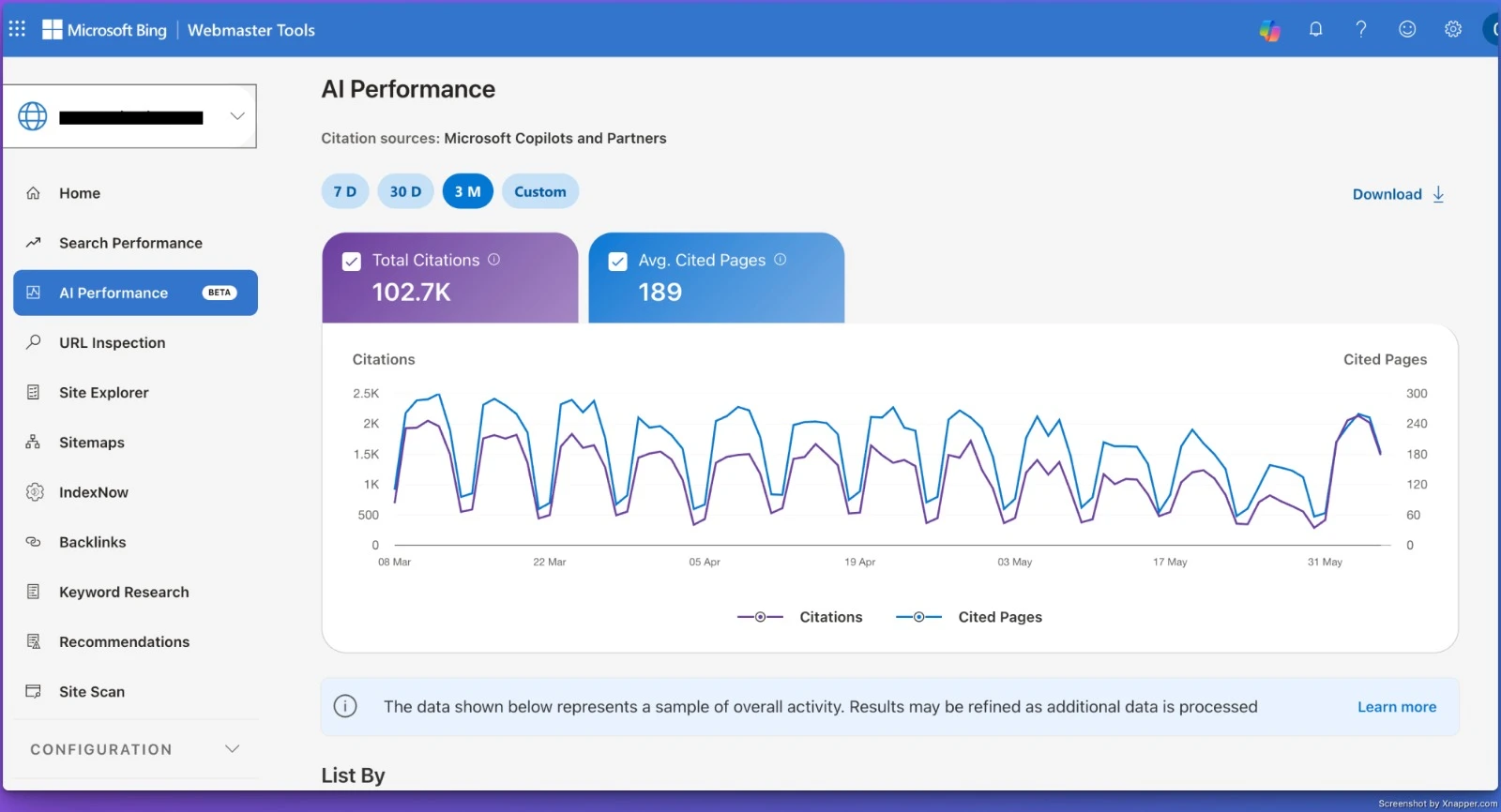
"Achieved 102.7K total AI citations in just 3 months."
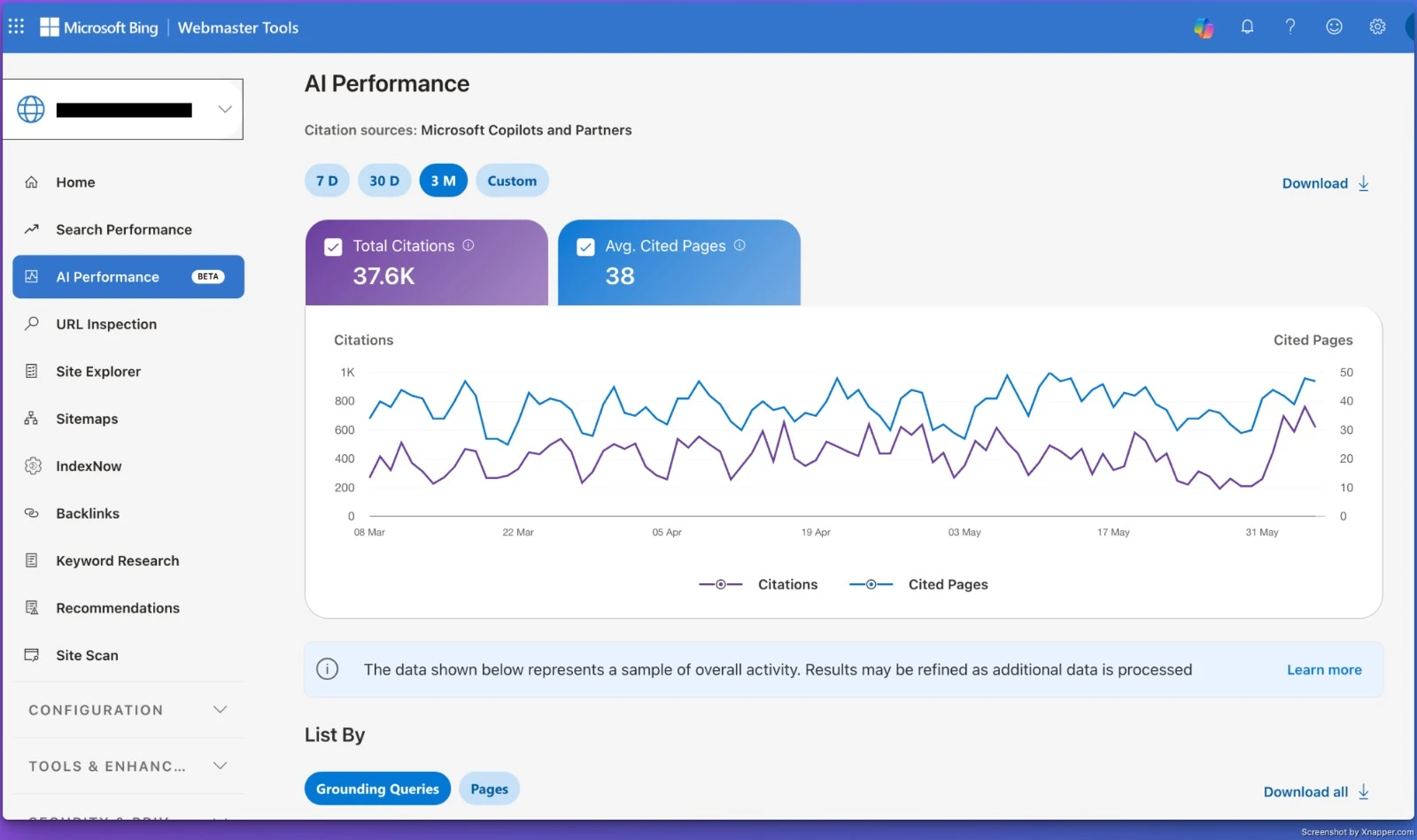
"Got 37.6K citations and 38 cited pages in 3 months."
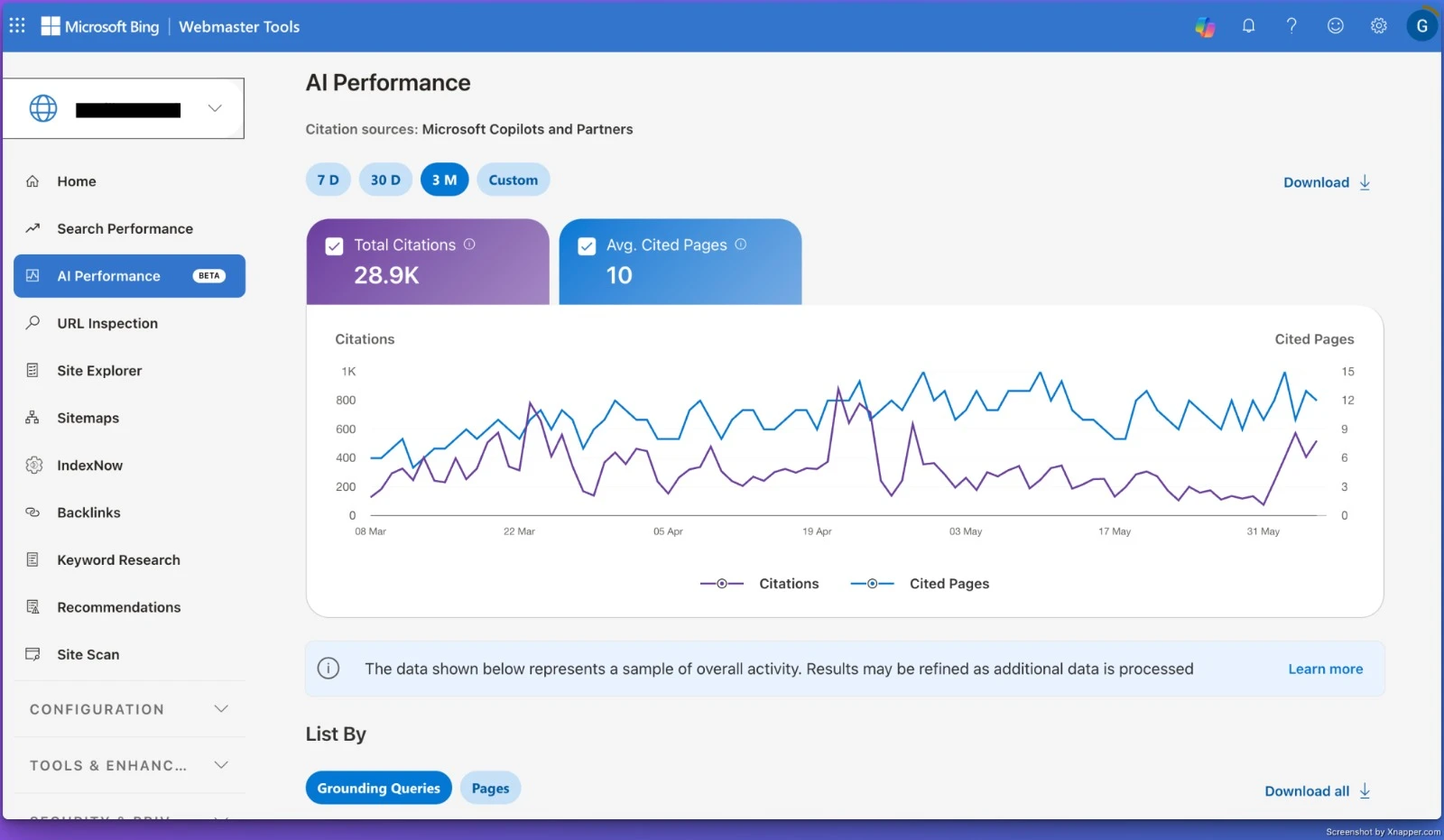
"Generated 28.9K total citations with our AI performance."
How It Works
Choose Your Service
Browse 6 GEO service lines. Pick the package that fits your goal and budget. All prices in GBP, shown upfront.
Place Your Order
Fill in your website URL, brand details, and any instructions. No calls required. Order 24/7.
Receive Your Deliverables
Your GEO work is delivered within the stated turnaround. White-label PDF reports always included.
How We Compare
| Feature | Our GEO Agency UK | Enterprise Agency | Freelancer |
|---|---|---|---|
| Starting Price | From £79/order | Wait, wait. £5,000/month | Variable |
| Discovery Call Required | No — instant order | Yes (2–4 weeks) | Usually yes |
| Fixed Deliverables | Yes — always | No | Rarely |
| White-Label Ready | Yes — all packages | No | Sometimes |
| Turnaround | 2–42 days | 60–90 days | Unknown |
| Order Online 24/7 | Yes | No | No |
Frequently Asked Questions
GEO is the practice of optimising your content to appear in AI-generated answers from platforms like ChatGPT, Perplexity, Gemini, and Google AI Overviews. It goes beyond traditional SEO by structuring content so AI engines cite and recommend your brand.
SEO targets Google's algorithm to rank pages. GEO targets AI engines to cite your brand in generated answers. Both work together — strong SEO is a foundation for GEO, but GEO requires additional signals that traditional SEO misses.
Our UK packages start from £79 for a GEO Audit and go up to £2,990/month for a full managed GEO campaign. Every price is fixed and shown upfront in GBP — no surprises, no hidden fees.
Early signals such as citations in ChatGPT or Perplexity typically appear within 60–90 days. Durable AI visibility compounds over 3–6 months of consistent execution.
Yes — all packages include white-label reports with your branding. UK SEO agencies can order under their brand and deliver directly to clients. See our White Label page for details.
Our GEO services are optimised for ChatGPT, Perplexity, Google AI Overviews, Gemini, and Microsoft Copilot — the five platforms driving the majority of AI-generated search traffic in the UK.
Ready to Get Found in AI Search?
Join UK agencies and businesses already building AI visibility. Order today — no calls, no contracts.
Contact Us
No calls, no pitches. Just fill out the form and we'll get back to you.
Transitioning from Traditional SEO to Generative Engine Optimization (GEO)
The landscape of online search is undergoing its most significant shift since the launch of Google in 1998. The traditional search results page—a list of ten blue links—is being superseded by real-time, conversational answers compiled by AI models. To remain visible, websites must shift their strategies from keywords to brand-authority signals. Our agency is specifically built to guide UK enterprises through this evolution, ensuring that your products and services are explicitly recommended in AI search sessions.
Modern conversational search engines like Perplexity, ChatGPT (with SearchGPT), and Google AI Overviews operate on a different set of rules compared to classical Google algorithms. While PageRank and click-through rates remain relevant, these engines rely heavily on semantic chunking and retrieval-augmented generation. When a user asks a question, the platform converts the query into a high-dimensional vector, retrieves the most semantically relevant text fragments from its index, and synthesizes an answer using its large language model. This means that to appear, your site must provide dense, structurally clear explanations that the models can easily extract and cite.
Google and other search crawlers are increasingly aggressive about indexing high-quality, comprehensive content while ignoring thin, low-value pages. In the context of GEO, thin content is particularly problematic because LLMs need context to build entity associations. If a page only contains 200 words, it does not provide enough semantic signals for a RAG database to calculate high relevance scores. As a result, the page is passed over during the document retrieval phase, leading to zero citations. Our expansions resolve this issue by combining topic-specific depth with global references to establish domain-wide trust.
Strategic Priorities for UK Brands in 2026
- Structure Content for Answers: Format landing pages with clear, direct-answer FAQ sections to match natural language queries.
- Deploy Schema Markup: Ensure all pages utilize JSON-LD schema (Organization, Product, Service) to build a readable knowledge graph for bots.
- Optimize for Citation Density: Seed your entity mentions across authoritative review sites, directories, and industry databases to verify your credentials.
Homepage AI Search & Search Engine Transition Guide
Optimising a brand for generative discovery requires establishing consistent semantic connections between your brand name and industry concepts across the entire website.
Topical Reference Glossary
- Generative Engine Optimization (GEO):
- The practice of structuring digital assets so that Large Language Models and AI crawlers retrieve, verify, and cite them in generated answers.
- Answer Engine Optimization (AEO):
- A marketing subset designed to provide short, direct responses for smart assistants and voice search systems.
- Share of AI Voice (SOIV):
- The percentage of recommendations a brand receives in AI search interfaces compared to its competitors.
- Retrieval-Augmented Generation (RAG):
- An architectural model that pulls real-time contextual data from crawled indices to ground AI-generated answers.
- Vector Space Relevance:
- A mathematical ranking metric calculating the semantic similarity between user prompts and page content.
Transitioning Homepage Metrics for AI Browsers
The homepage is the primary entry point for AI crawlers like Sonar and BingBot. These bots crawl homepages to identify the core entity definition of the brand. In traditional search, a homepage would be stuffed with local keywords and links. In generative search, the homepage must establish clear co-citation linkages and represent entity details in nested Organization schema. If a homepage lacks clean structured nodes, AI platforms cannot identify the business's industry, resulting in a complete citation block across all internal pages. Our home layouts prioritize entity salience and clear, parseable brand positioning.
Additionally, homepage copywriting must transition from marketing slogans to factual, informative declarations. Language models evaluate text probability, meaning they trust clear declarations (e.g., 'GEO Agency UK is a search consultancy based in London') over generic advertising fluff (e.g., 'We are the best agency in the world'). Factual declarations are easily converted into relation triples in LLM knowledge graphs, verifying your brand's existence and services.
Finally, the homepage must link cleanly to vertical target pages using descriptive semantic anchor text. RAG document parsers trace internal link relationships to evaluate topical authority. If a homepage links to service pages using generic 'Click Here' buttons, the parser misses the semantic relationship between the brand and the service. We use exact-match, contextual anchor links to pass maximum semantic weight to our service templates.
Transitioning from traditional SERP layouts to generative answers requires a fundamental shift in on-page content structures. Large language models do not look for keywords; they parse semantic relationship triples and vector similarities. We integrate advanced Organization schema markup and clean up internal navigation pathways to guide AI crawlers. These technical updates protect search visibility and prevent brand displacement by competitive marketing campaigns.
Establishing a robust corporate entity presence is the primary objective of a homepage optimization strategy. Large language models do not look for keywords; they parse semantic relationship triples and vector similarities. We integrate advanced Organization schema markup and clean up internal navigation pathways to guide AI crawlers. This optimization establishes a durable, long-term brand authority that remains indexable across all major AI search platforms.